Creatures & Bestiary
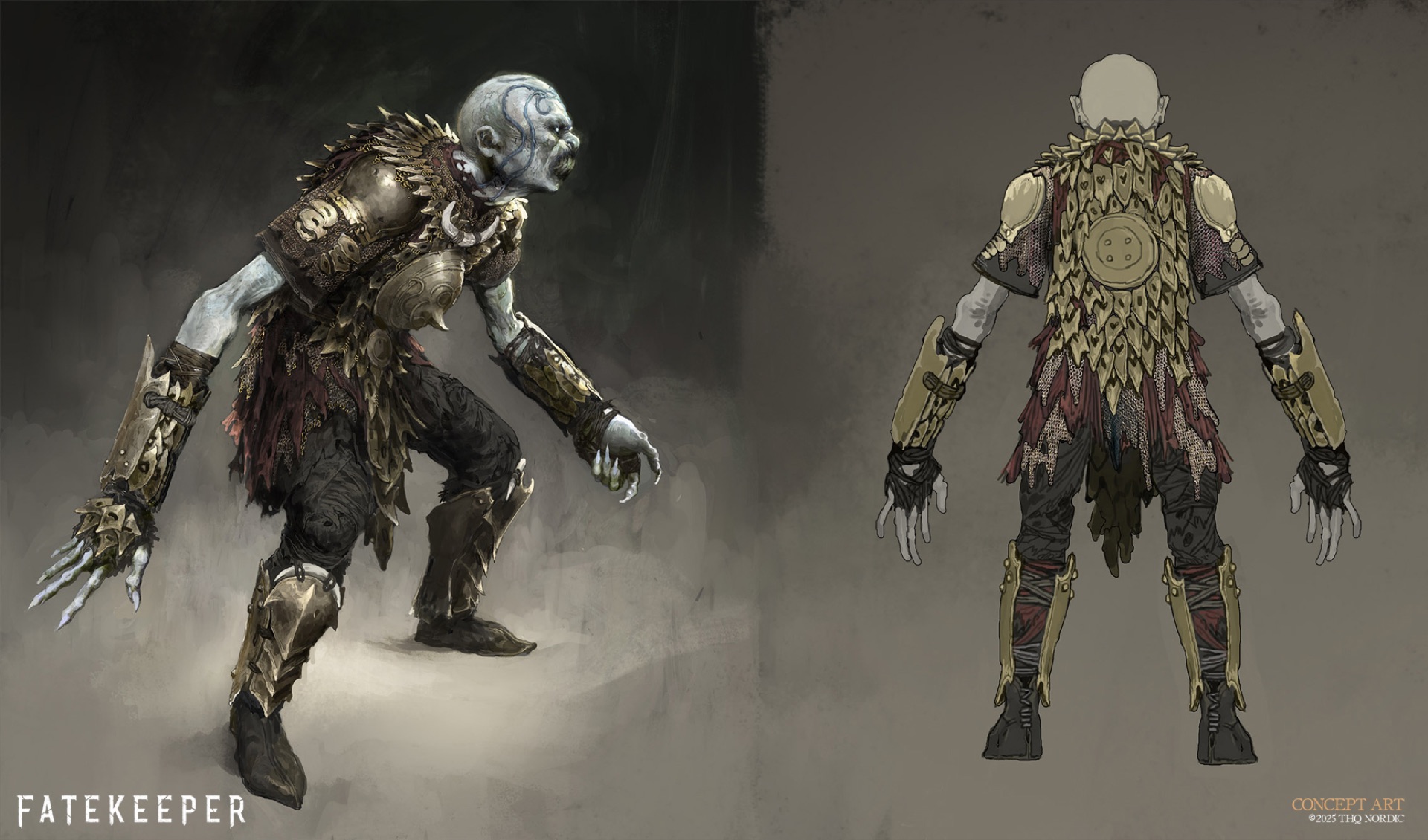
Confirmed (Official)The official enemy taxonomy spans husks, soldiers, beasts, and arcane wielders. Wildlife is corrupted into enemies; some creatures remain neutral. "Shortlings" are a confirmed named type.
Here’s the short version: Fatekeeper has not handed out a full creature list yet. The only first-party roster comes from one Steam dev blog, and it describes categories of enemies, not individual monsters with names and stats. So this page tells you exactly what the developers have confirmed — and flags the fan-wiki names that were made up.
The one organizing idea you need: corruption. An enemy force is bleeding into the land, twisting people and wildlife into “forms of rage and obedience.” Some creatures stay free and neutral. Everything in the bestiary sorts along that line — corrupted and hostile, or wild and unbroken.
“From twisted, mindless husks to disciplined soldiers, towering beasts, and wielders of arcane power — the enemy armies seem to be everywhere.” — Creatures of Fatekeeper, official Steam dev blog
The confirmed enemy types
These are the categories Paraglacial named in the Creatures blog. Treat them as enemy families, not specific monsters — the studio deliberately showed the spread without spoiling individual creatures.
| Type | What it is | How it fights you |
|---|---|---|
| Husks | Twisted, mindless humanoids. The corruption hollowed them out. | Cannon-fodder swarms. Expect them in numbers, not finesse. |
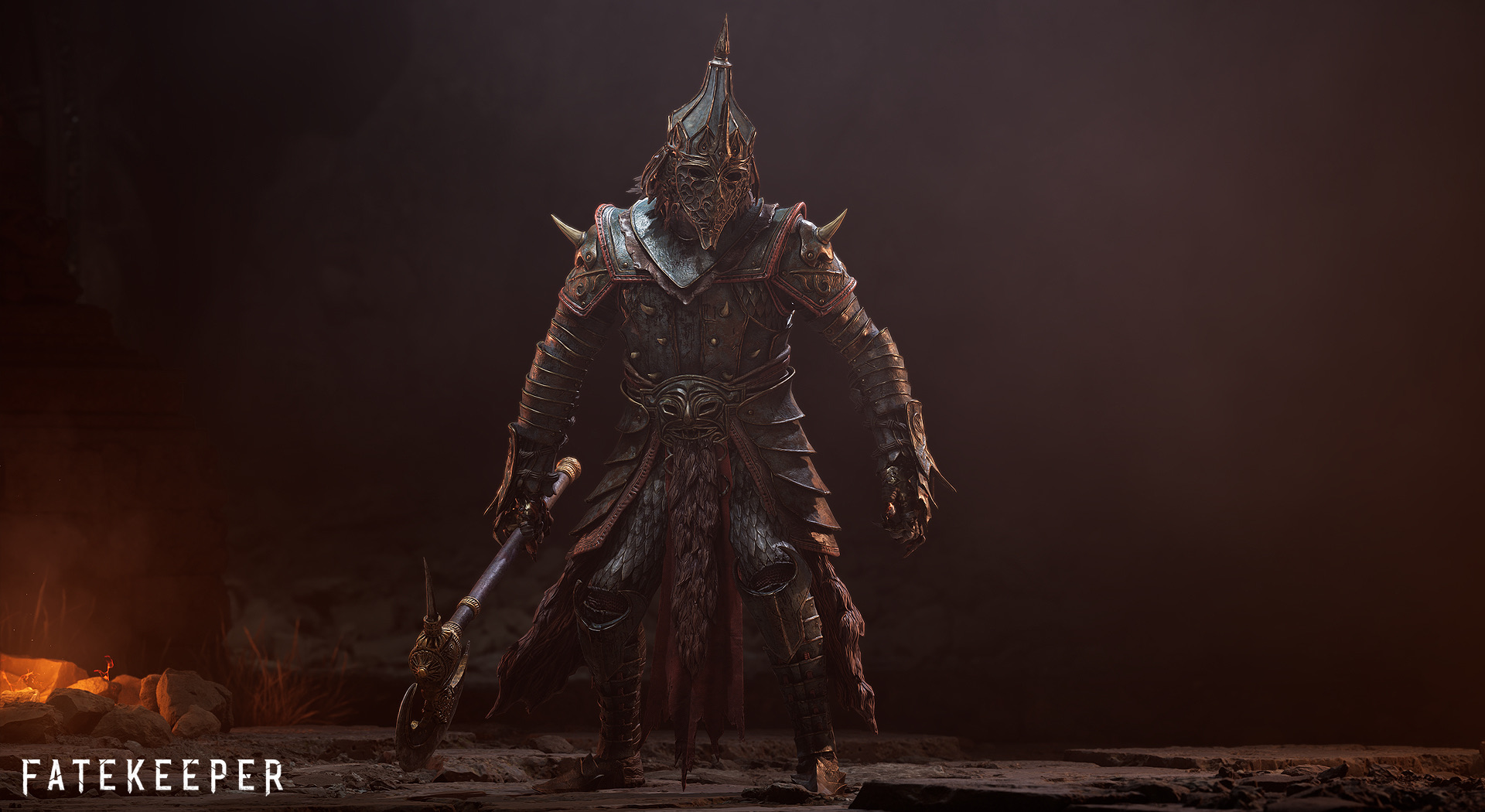
| Disciplined soldiers | Organized military enemies — “enemy armies.” | Trained, formation-based, the closest thing to a fair fight. |
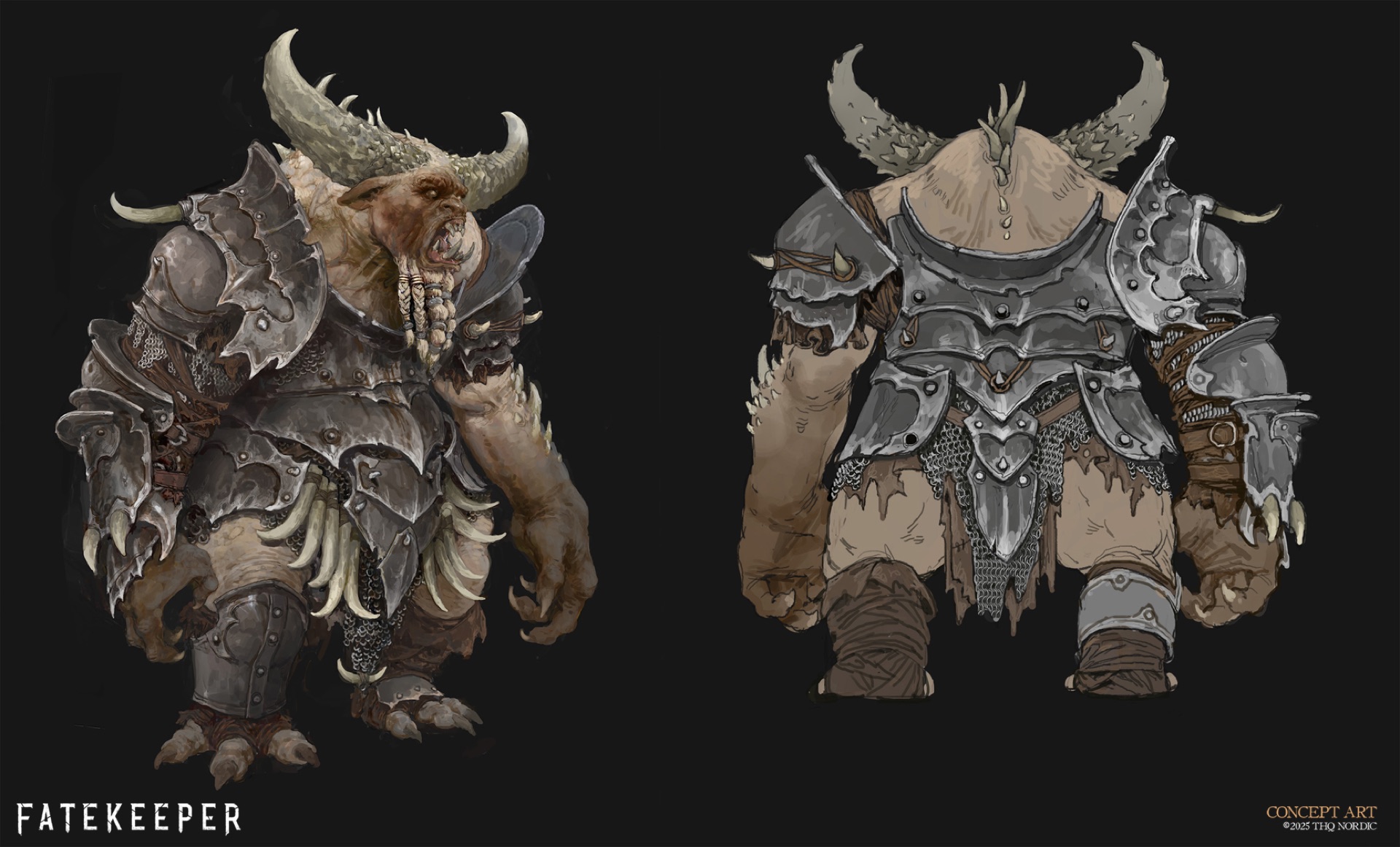
| Towering beasts | Large creatures, some of them corrupted wildlife. | Heavy hits and reach. The big-health-bar encounters. |
| Arcane wielders | Enemy spellcasters who command “arcane power.” | Ranged magic. Force you to close distance or dodge casts. |
| Corrupted wildlife | Wild beasts twisted into “rage and obedience” by the enemy. | Aggressive, fast, now serving “darker masters.” |
| Neutral fauna | Uncorrupted creatures that still roam free. | Not all hostile — “some hunt, some flee,” some leave you be. |
Every foe is meant to read differently. The official pitch: “Battle a wide variety of foes, each with distinct patterns, strengths, and weaknesses. Success demands both skill and preparation.” Combat rewards learning each one. For how dismemberment, parries, and physics kills actually land, see the Combat page.
One more store-page note worth pinning: “The enemies encountered are purely fantasy creatures.” No real-world depictions — this is dark-fantasy bestiary territory.
Shortlings — the one named enemy
If you want a creature with an actual name, there’s exactly one so far: Shortlings. They showed up in the eight-minute gameplay reveal, lurking in the ruins of an ancient fortress.
“Shortlings lurk in the shadows, waiting for anyone bold enough to step into their domain…” — THQ Nordic press release, Eight Minutes of Mayhem
What’s confirmed: they’re small humanoid enemies that ambush from the shadows in that ruined-fortress area. That’s it. No stats, no health values, no attack tables are official. Anything you read claiming exact Shortling damage numbers is invented.
The corruption theme (why the bestiary is organized this way)
The blog frames the whole world on a corruption axis. An antagonist force — referred to only as “darker masters” and “the enemy’s influence” — seeps into the soil and warps living things.
“The enemy’s influence seeps into the soil, twisting creatures of the wild into forms of rage and obedience. A lot of the beasts that once roamed freely now serve darker masters.”
But the world isn’t all rot. The same blog is careful to say life persists:
“Some hunt, some flee, and some, against all odds, remain unbroken.”
So when you meet wildlife, it’s not automatically a fight. Some animals are corrupted and will charge you; some are neutral fauna going about their business. Reading which is which is part of the survival loop. For the wider setting these creatures live in, see World of Solace.
Your companion (not an enemy)
Quick note so nobody files it wrong: the Druid travels with a talking rat companion — a grumpy, sharp-tongued narrator who rides your shoulder, heckles your fights, and argues about where to go. He’s an ally, not a bestiary entry. More on him on The Druid page.
What’s NOT confirmed
A few fan wikis and content-farm pages list named monsters, exact stat blocks, and full enemy rosters. None of that is official. The studio named one enemy (Shortlings) and six broad categories. Everything beyond that — specific creature names, damage numbers, resistances — is fan extrapolation. We’ll add real entries here as the developers reveal them during Early Access.
FAQ
How many enemy types are in Fatekeeper? Officially, six broad categories: husks, disciplined soldiers, towering beasts, arcane wielders, corrupted wildlife, and neutral fauna. Only one specific enemy is named — Shortlings.
What are Shortlings in Fatekeeper? Shortlings are small humanoid enemies that ambush from the shadows in a ruined fortress, shown in the gameplay reveal. They’re the only named enemy type confirmed so far.
Are all the animals in Fatekeeper hostile? No. Some wildlife is corrupted and attacks; some fauna stays neutral and free. The bestiary is built around a corruption theme — twisted creatures versus unbroken ones.
Does Fatekeeper have a full bestiary list? Not yet. Paraglacial confirmed categories, not a creature-by-creature roster. Detailed enemy lists with stats are not official — be wary of any site claiming exact numbers.
Is the talking rat an enemy? No, the rat is your companion — a sarcastic narrator who rides your shoulder. He’s an ally, not a creature you fight.
| Category | Notes |
|---|---|
| Husks | Twisted, mindless |
| Soldiers | Disciplined ranks |
| Beasts | Towering, corrupted wildlife |
| Arcane wielders | Spell-casting foes |
| Shortlings | Confirmed named ambushers |
Sources
- Steam store — Fatekeeper (App 2186990) Confirmed (Official)